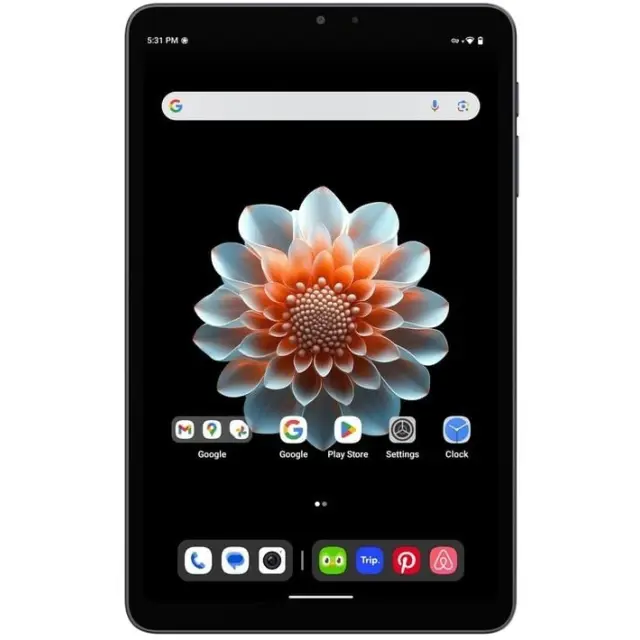
vs
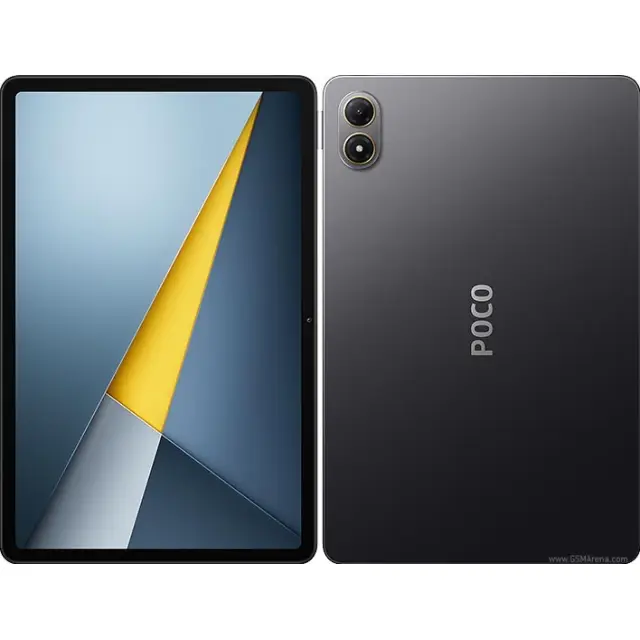
5.4Display7.7
3.7Battery9.1
7.6Memory & storage7.6
Why is iPlay 70 mini Pro better than Poco Pad M1?
- Weight310 g vs 610 g+97%
- Pixel density270 ppi vs 249 ppi+8%
- Thickness7.3 mm vs 7.5 mm+3%
Why is Poco Pad M1 better than iPlay 70 mini Pro?
- Battery capacity6,050 mAh vs 12,000 mAh+98%
- Screen size8.4″ vs 12.1″+44%
- Wired charging18 W vs 33 W+83%
- Refresh rate90 Hz vs 120 Hz+33%
- Peak brightness400 nits vs 600 nits+50%
- Resolution (short side)1,200 px vs 1,600 px+33%
- Resolution (long side)1,920 px vs 2,560 px+33%
- Screen-to-body ratio80.1% vs 83.5%+4%
Specifications
Side by side
| Design | ||
| Weight | 310 g | 610 g |
| Thickness | 7.3 mm | 7.5 mm |
| Height | 7 mm | 279.8 mm |
| Width | 126 mm | 181.7 mm |
| Frame | — | Aluminium |
| Back | — | Aluminium |
| Colours | Gray | Gray, Blue |
| Display | ||
| Screen size | 8.4″ | 12.1″ |
| Panel | IPS TFT | IPS LCD |
| OLED panel | No | No |
| Resolution (short side) | 1,200 px | 1,600 px |
| Resolution (long side) | 1,920 px | 2,560 px |
| Pixel density | 270 ppi | 249 ppi |
| Refresh rate | 90 Hz | 120 Hz |
| Peak brightness | 400 nits | 600 nits |
| Measured brightness | — | 581 nits |
| Screen-to-body ratio | 80.1% | 83.5% |
| HDR | — | Yes |
| Performance | ||
| Chipset | MediaTek MT | Qualcomm SM7635-AC Snapdragon 7s Gen 4 |
| Chip maker | MediaTek | Qualcomm |
| Process | — | 4 nm |
| CPU cores | — | 8 |
| CPU frequency | — | 2.7 GHz |
| GPU | — | Adreno 810 |
| AnTuTu score | — | 817,549 |
| Geekbench 6 (multi-core) | — | 1,244 |
| 3DMark Wild Life Extreme | — | 1,103 |
| Memory | ||
| RAM | 8 GB | 8 GB |
| Storage (max) | 256 GB | 256 GB |
| Storage (base) | 256 GB | 256 GB |
| Storage type | — | UFS 2.2 |
| Memory card slot | Yes | Yes |
| Battery | ||
| Battery capacity | 6,050 mAh | 12,000 mAh |
| Battery type | — | Li-Po |
| Active use (test) | — | 14.8 h |
| Wired charging | 18 W | 33 W |
| Wireless charging | No | No |
| Connectivity | ||
| Cellular (LTE) | No | No |
| 5G | No | No |
| eSIM | No | No |
| Dual SIM | No | No |
| Wi-Fi standard | — | Wi-Fi 6 |
| Bluetooth | 5.4 | 5.4 |
| USB | — | USB Type-C 2.0 |
| USB version | — | 2 |
| NFC | — | No |
| GPS | — | No |
| Features | ||
| Stylus support | — | Yes |
| Stereo speakers | — | Yes |
| Loudspeaker loudness | — | -24.5 LUFS |
| 3.5 mm headphone jack | — | Yes |
| Sensors | — | Accelerometer, gyro, proximity (accessories only), compass |
| Cameras | ||
| Rear camera | — | 8 MP |
| Rear camera aperture | — | f/2 |
| Rear cameras | — | 1 |
| Ultra-wide camera | — | No |
| Optical stabilisation | — | No |
| Max video | — | 1080p |
| Front camera | — | 8 MP |
| 4K front-camera video | — | No |
| Software | ||
| OS at launch | Android 15 | Android 15 |
| Platform | Android | Android |
| Interface | — | HyperOS 2 |
| EU label | ||
| Energy class | — | G |
| Battery charge cycles | — | 1,000 |
| Endurance per cycle | — | 103 h |
| Repairability class | — | C |
| Drop resistance class | — | A |
Related comparisons
 vs
 AlldoCube iPlay 80 mini ProvsAlldoCube iPlay 70 mini Pro
5.46.0
 vs
Blackview Tab 60 ProvsAlldoCube iPlay 70 mini Pro
5.86.0
 vs
OSCAL Pad 90vsAlldoCube iPlay 70 mini Pro
5.86.0
 vs
Doogee U11 ProvsAlldoCube iPlay 70 mini Pro
6.06.0
 vs
OSCAL Pad 80 WiFivsAlldoCube iPlay 70 mini Pro
5.66.0
 vs
 Lenovo IdeaTab 2025vsXiaomi Poco Pad M1